


|
Getting your Trinity Audio player ready...
|
New Housing Plan 2026-2030: Increased Rental Support, Renovation Incentives, and Stronger Public Housing Protection
The Spanish Government has approved the new 2026-2030 State Housing Plan, a strategic roadmap for the coming years aimed at addressing the housing affordability crisis. While its approval comes slightly later than originally planned, the final text incorporates key agreements with regional governments and introduces measures to tackle the lack of affordable housing across the country.
The plan features a total investment of €7 billion, tripling the budget of the previous plan. It focuses on three core pillars: increasing the housing supply, renovating existing stock, and supporting groups with the greatest financial difficulties.
How will the €7 Billion be allocated?
The budget is divided into three main categories:
- 40% for expanding public housing stock, through both new construction and the acquisition of existing properties.
- 30% for residential renovation, focusing on energy efficiency, accessibility, and structural conservation.
- 30% for direct aid, primarily targeting rental assistance and programs for young people.
The Central Government will fund 60% of the plan, while the Regional Governments (Comunidades Autónomas) are expected to contribute the remaining 40%.
Key Measures of the New Plan
Rent-to-Own Assistance
One of the most innovative measures is the support for rent-to-own schemes for young adults under 35. The plan offers subsidies of up to €28,800, allowing a portion of the monthly rent to count toward the future down payment of the property.
Boost for the “Youth Rental Bonus” (Bono Alquiler Joven)
Monthly rental subsidies have been increased to:
- €300/month for full apartments.
- €200/month for rooms in shared flats.
Additionally, support has been extended to vulnerable groups, including victims of domestic violence and those at risk of social exclusion.
Rental Payment Guarantees
A new line of public guarantees will be launched to cover potential rent defaults. This aims to make it easier for young people and vulnerable families to access the rental market by providing landlords with extra security.
A Major Focus on Renovation
The plan significantly ramps up subsidies for home improvements:
- Up to €20,500 for energy efficiency upgrades.
- Up to €13,000 for accessibility improvements (e.g., elevators).
- Up to €8,000 for structural repairs.
In special cases, such as homes in historic districts, total aid can reach up to €50,000. Furthermore, homes that have been vacant for over two years can receive up to €30,000 for renovation, provided they are placed on the affordable rental market.
Support for Rural Housing
To combat depopulation, the plan includes specific measures for smaller towns:
- Up to €85,000 to build public housing in small municipalities.
- Up to €15,000 for young buyers purchasing their first home in these areas.
Permanent Protection for Public Housing
In a major policy shift, the plan introduces the principle of permanent protection. Properties built or acquired with these public funds will stay in the public housing pool indefinitely, preventing them from being sold on the private market after a few years.
Anti-Fraud and Transparency
To ensure fairness, the plan includes anti-fraud clauses for the allocation of social housing. This will require public registries, notarized lotteries, and stricter administrative oversight to prevent corruption.
Incentives for Landlords and Developers
Specific financial aids are also available for:
- Private landlords who lease their property for affordable housing (up to €25,000).
- Developers focused on social housing or using industrialized construction techniques.
Reactions and Challenges
Despite the increased budget, various sectors have raised concerns:
- Some experts argue the plan still falls short of solving the massive supply deficit.
- Industry leaders are calling for faster administrative processing and less bureaucracy.
- There is a demand for more measures to unlock land for new developments.
- The success of the plan depends heavily on smooth coordination between the central and regional governments.
Conclusion
The 2026-2030 State Housing Plan is a significant step forward, offering more resources and new tools to modernize the Spanish property market. However, its ultimate success will depend on how efficiently these measures are implemented and whether they truly succeed in increasing the supply of affordable homes.
For investors, buyers, and renters alike, the key will be seeing these “on-paper” measures translate into real results on the ground.
Are you looking for a home on the coast or an investment opportunity? Contact us to stay updated on how these new regulations might benefit you!
About The Author

Related Posts
Brussels Opens a Dangerous Door: When Buying a Home Stops Being a Right and Becomes Subject to Political Permission
The housing crisis requires solutions. More housing, more available land, less bureaucracy,…

Housing by decree: an urgency that comes too late and moves too fast
The Government is once again presenting housing as a national priority. This…
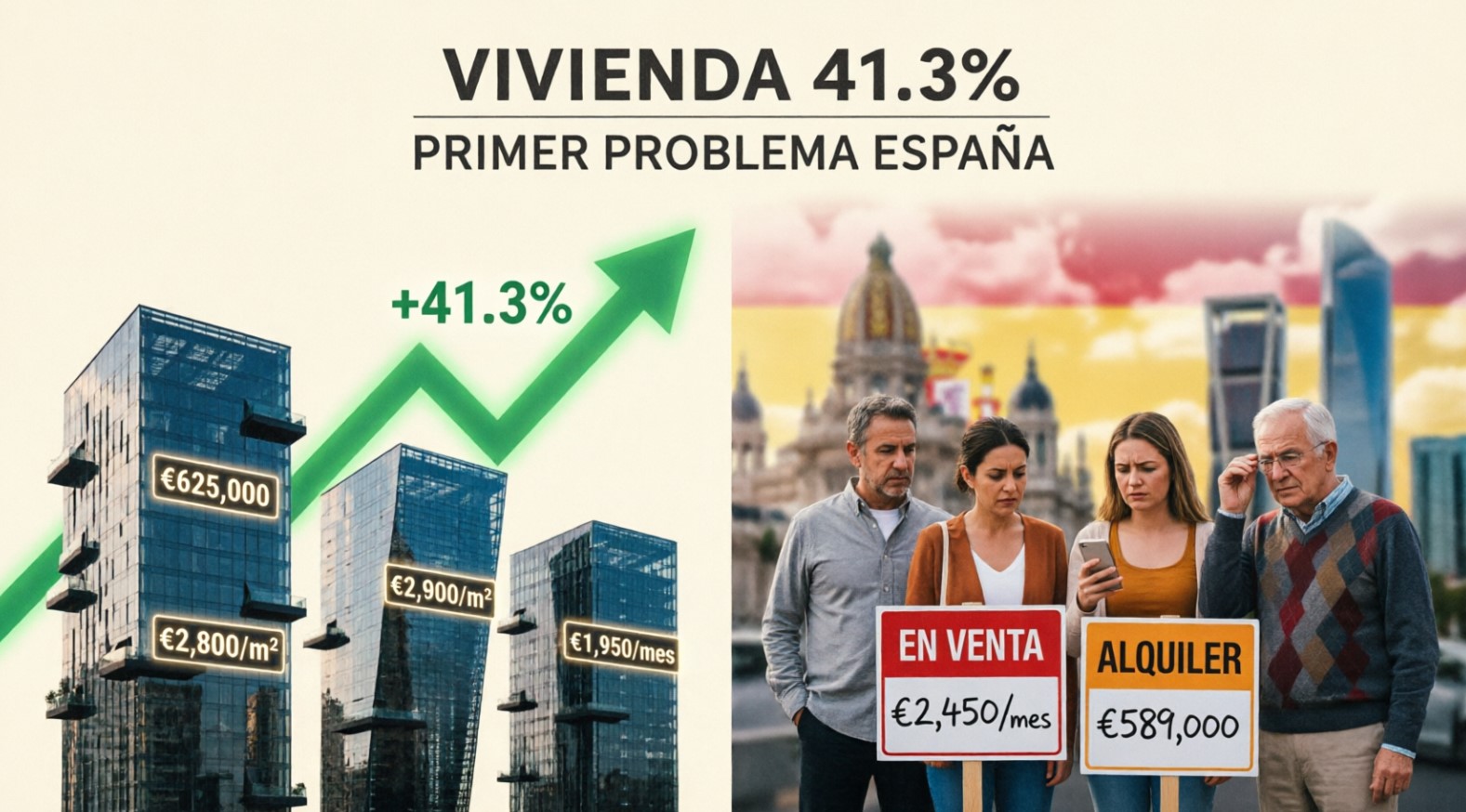
Housing remains the top concern for Spaniards in April 2026
41.3% of citizens cite it as the country's main problem, although it…
